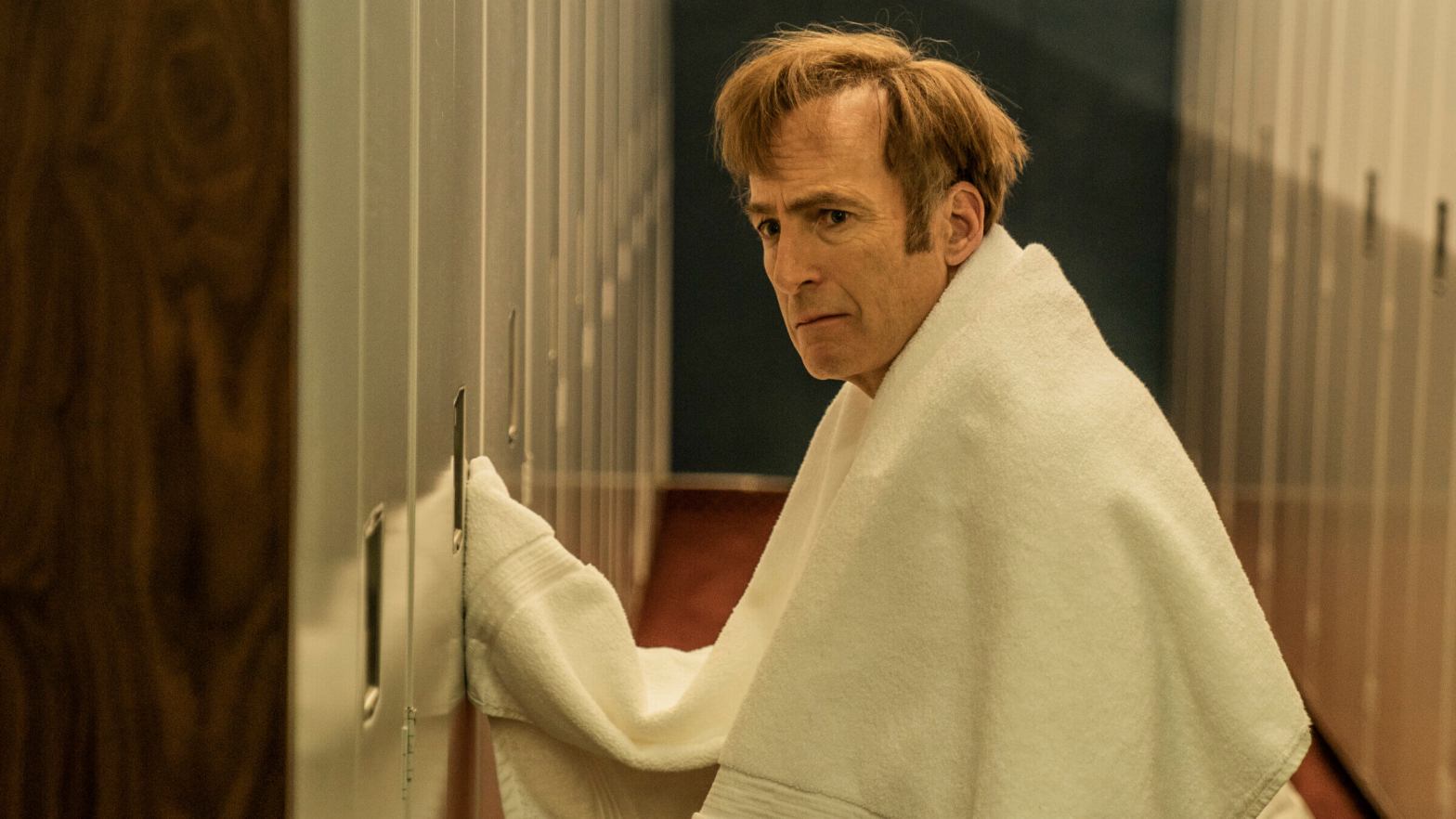
Breaking Bad swept the late 2000s, and it kept the television zeitgeist in a stranglehold throughout the early 2010s. Vince Gilligan’s epic drama series, alongside breakout hits like Mad Men and The Walking Dead, put the AMC cable network on the map as a home for serious, critically-acclaimed antihero tales. These series’ popularity exploded further with up-and-coming streaming services like Netflix bolstering catalogs including their early seasons. In late 2013, final stretch of universally-beloved episodes brought an end to the story of Bryan Cranston’s chemistry-teacher-turned-meth-maker Walter White. The success of Breaking Bad was so colossal, it seemed insane to think any subsequent series, let alone one set in the same universe, may measure up to the bar of quality set by Gilligan and AMC.
So it came as a surprise to some when follow-up Better Call Saul, the Breaking Bad prequel, received as much darling praise as its predecessor from critics and fans alike. The late 2010s and early 2020s saw the return of many pop culture franchises in the form of cash-grab spin-offs and lazy, unimaginative sequels. However, AMC seems to have struck gold twice. In the Breaking Bad successor series, Gilligan rewinds the clock and shifts the audience’s point of view from Walter White to Saul Goodman, a supporting character from Breaking Bad who mostly functioned as comic relief. Saul Goodman was always a standout in the original show due to Bob Odenkirk’s unanimously beloved performance as a shifty attorney with a quick wit and fast-moving mouth. Still, for all of Odenkirk’s charisma and memorable scenes, Saul Goodman didn’t exactly come across as a complex character.
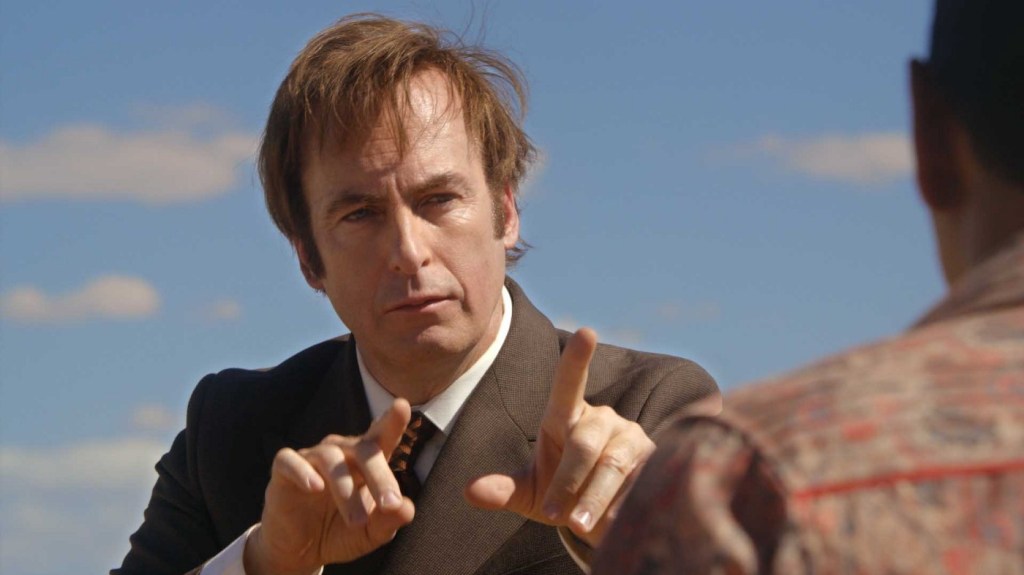
Better Call Saul blows this notion away immediately. Though giving viewers flashes of Saul’s life post-Breaking Bad, a grand majority of the story takes place about six years prior. Viewers learn immediately that Saul’s real name (although Saul Goodman was always obviously a moniker) is actually Jimmy McGill. Jimmy already has many of the characteristics we see Saul possess: he is constantly conning, and he easily manipulates others into doing his bidding. Early episodes highlight his hostile interactions with Howard Hamlin, a successful partner at HHM, the corporate law firm where Jimmy once worked in the mail room, and Mike Ehrmantraut, the elderly criminal with a conscience featured in Breaking Bad who viewers see here first working as a parking lot attendant. However, audiences are now able to see a softer side of Jimmy coinciding with his tendency for mischief. Despite a fraught relationship, he loves Chuck, his older brother who is also Howard’s acclaimed law partner. Jimmy expresses tenderness in his supportive relationship with Kim Wexler, a long-time friend and gifted attorney stuck within the cogs of HHM. Jimmy is immediately granted a humanity left unseen in Breaking Bad for the most part, instilling faith in the viewer right away that a separate series surrounding a predominantly comic relief character can succeed.
Gilligan’s greatest strength, dating back to serving as a writer for The X-Files, has always been his knack for strong character-driven storytelling. While The X-Files may feature more exciting week-to-week plotlines, Gilligan’s crime-drama stories showcase a much slower burn. Neither Breaking Bad or Better Call Saul feature elaborate gunfights each week, or frequent shocking murders to keep the viewer’s interest. When violence occurs in either show, it is always a hard punch to the gut, a random act of evil hard to see coming. Both shows feature well-meaning protagonists who fall far too deeply into lives of crime, and their unlawful actions ultimately cost them everything. Neither Walter White or Jimmy McGill are master criminals, deftly eliminating their enemies or solving their crises. The tension and entertainment of both series stems from the slow corruption of their protagonists, their struggles to survive their increasingly dire lives.
What makes both Breaking Bad and Better Call Saul feel so narratively rich are their focuses on relationships, the shifting ties between a relatively small cast of characters. Both series feature complex interpretations of fatherhood, both literally and symbolically. Breaking Bad‘s central relationship is a fatherly one between mentor and student: the tense alliance between Walter and his former student Jesse Pinkman. Walter’s relationship with his son remains fraught throughout the series for a number of reasons. One of these is the sheer amount of time Walt dedicates to his meth enterprise and, consequently, his work with Jesse. Partially due to his own father’s ire and disdain, Jesse drifts through a life of drug use with no role model to guide him. When he and Walter begin working together, Jesse initially looks up to him. But Walter is inarguably a horrific father figure to Jesse, being either directly or indirectly responsible for most of the tragedy Jesse suffers throughout the course of the show. However, Jesse does receive a positive mentor in Mike Ehrmantraut, the older, wiser reluctant criminal who always keeps Jesse’s best interest at heart. Mike tries his best to keep Jesse above water, and he offers guidance to help the young man navigate his evolving life of crime as safely as possible. Walter’s toxic possessiveness of Jesse eventually takes over, and it is undoubtedly one of the factors in Walt’s rash murder of Mike toward the end of Breaking Bad. At the very least, the series ends with Walter finally attempting to make up for his frequent failures as a father. He ultimately succeeds in providing for his estranged family, and he gives his life to wipe out the white supremacist gang that tortures Jesse in captivity. Still, Jesse is forever scarred from Walt’s failed mentorship, and the audience sees the depth of these emotional wounds on display in the Jesse-centric sequel film El Camino.
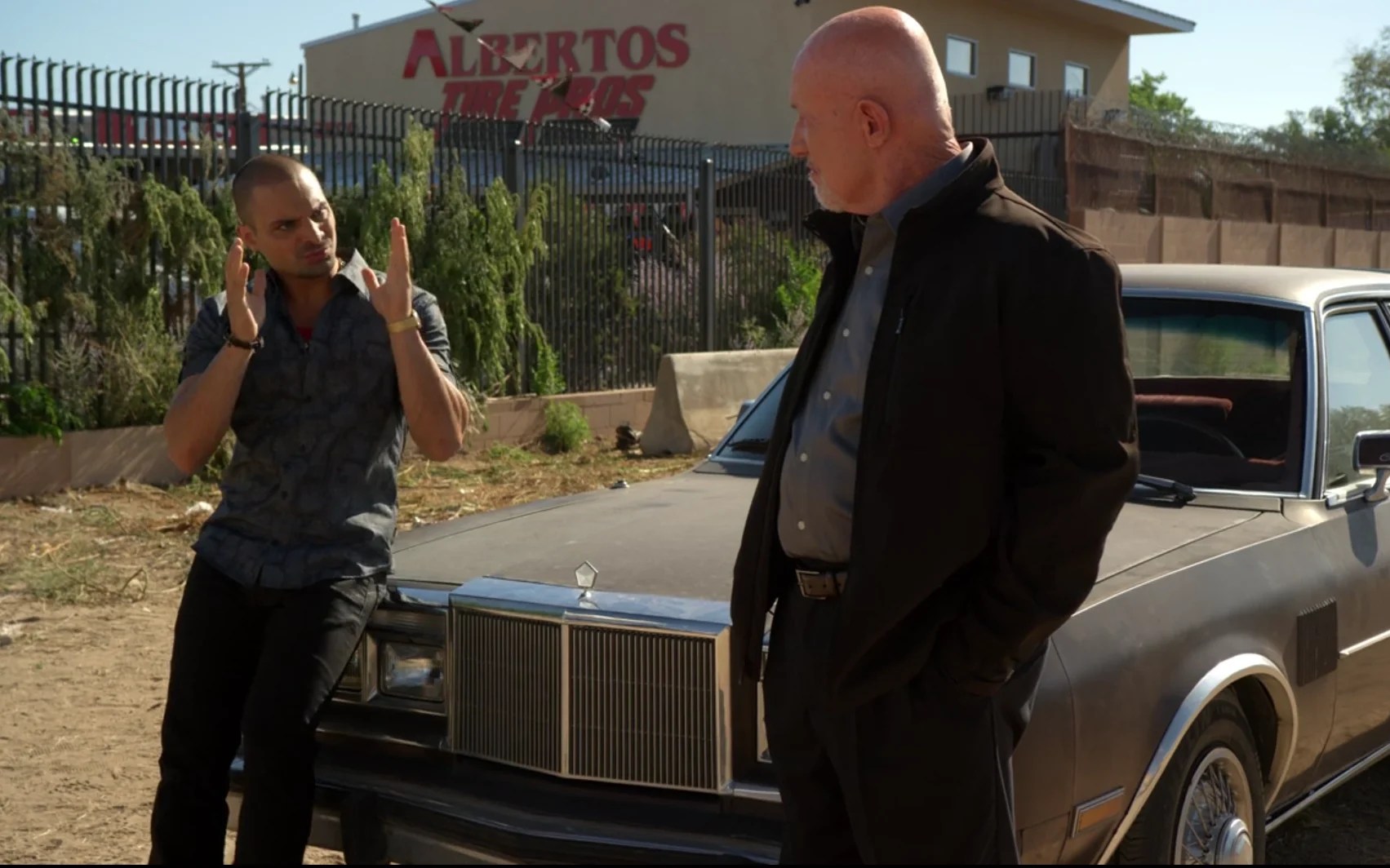
Better Call Saul features this same concept of failed fatherhood dispersed amongst its cast of characters. Jimmy’s career as an aspiring attorney is further complicated when he accidentally gets wrapped up with a Mexican drug cartel. Similar to Breaking Bad, Jimmy’s criminal ties and personal life constantly come close to crossing over. While Breaking Bad had memorable characters like Gus Fring and Hector Salamanca (both of whom show up later in major roles), Better Call Saul introduces a new character to be the face of its cartel storylines: Ignacio “Nacho” Varga. Nacho showcases a complexity unseen in most of Breaking Bad‘s cartel characters. Much like the beleaguered Jesse Pinkman, Nacho is a youthful criminal with a heart of gold. Although attached to the monetary gain and power that accompanies his lifestyle, Nacho really wants to leave crime behind and go straight. His drastic steps to free himself from the chains of the Salamanca family create real empathy for the audience, and his cycle of suffering at the hands of the cartel he willingly joined portrays how easily one’s choices overwhelm them and set an irreparable direction in their life.
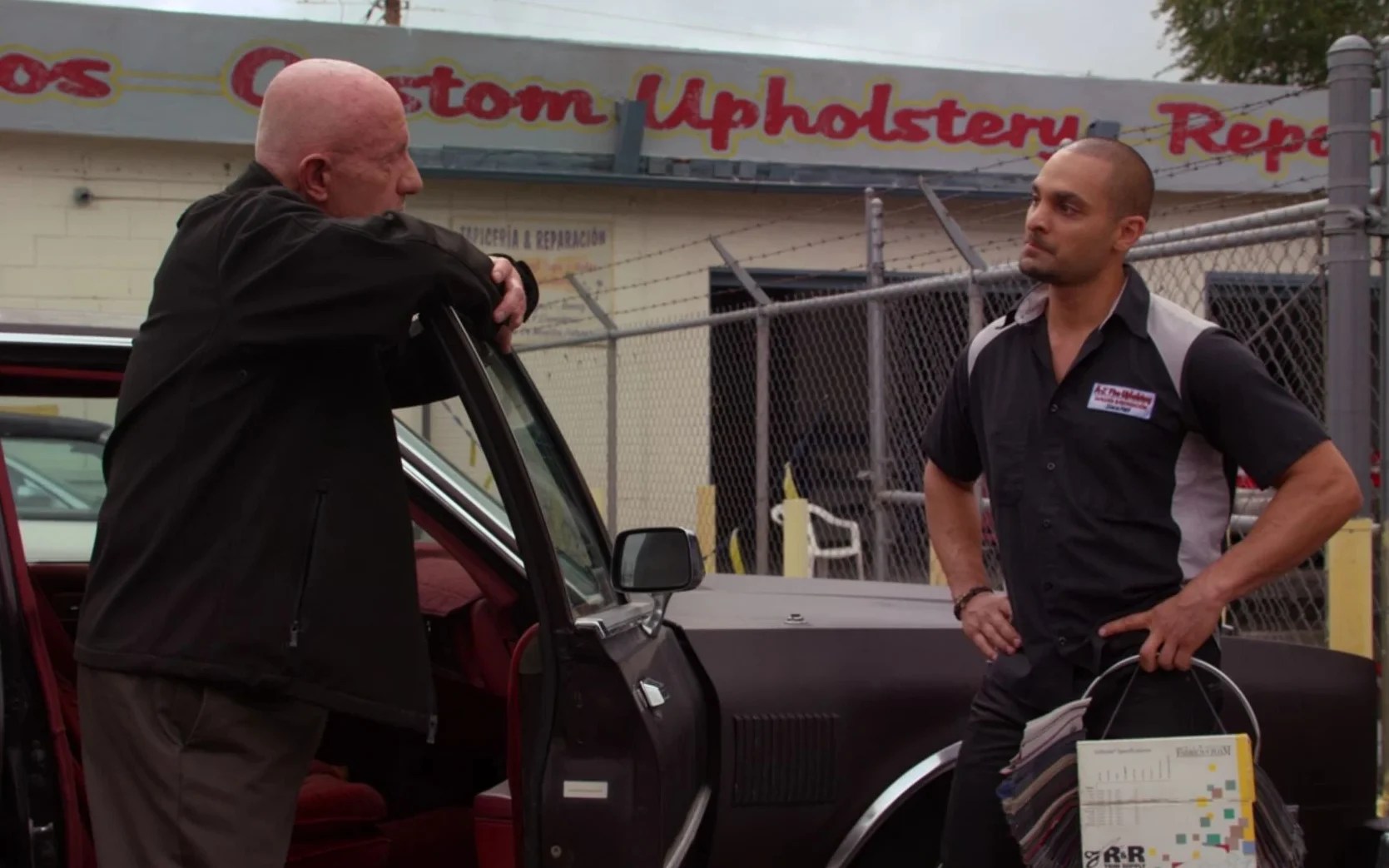
Nacho’s only true ally throughout the series is Mike Ehrmantraut. Despite frequently bumping into each other and butting heads early in the show’s duration, Mike quickly grows to care for Nacho’s wellbeing and takes major action throughout the series to protect him. Similar to his caretaking role with Jesse in Breaking Bad, Mike always fights to alleviate Nacho’s criminal burdens. Nacho becomes the key pawn in the evolving power struggle between Gus Fring and the Salamanca family, often landing in situations where he could be killed at any moment. His own father, Manuel, is often drawn into his complicated double life. Nacho makes increasingly drastic decisions to protect Manuel once Hector Salamanca, the patriarch of the Albuquerque cartel branch, seeks to use Manuel’s car upholstery shop as a criminal front. Nacho desires to be a good son and to honor his father, but he is stuck with the cartel in a career he can never escape. The conversations he has with a disappointed Manuel show the audience that Nacho is locked into a cycle much like Jesse, where, despite his many attempts to go straight, he will never truly break free.
Mike’s concern for Nacho is partially the result of his own failings as a real father. By the time the series begins, Mike is a recent retiree of the Philadelphia Police Department. While with the PPD, Mike engaged in acts of corruption alongside his coworkers, such as skimming money off of confiscated monetary troves. Unfortunately, his son, Matt, tried to follow the same career path. Ignorant to his father’s dark side, Matt joined the PPD with idealistic intentions: he believed in justice, the idea that the police are inherently good. When Matt stumbles across his colleagues’ widespread corruption, he is broken-hearted by his father’s participation. Before Matt can make a decision about blowing the whistle on his associates, he is killed by two other police officers. Later, Mike murders them both in retaliation. Much of Mike’s turmoil throughout Better Call Saul is the struggle to truly grieve over Matt, the guilt he feels over his perceived role in his son’s death. This thematic inability to move forward and process loss in parental relationships plays out on a larger scale throughout the narrative as well.
Most of the remaining supporting cast are fettered to the idea of honoring their parents, even to extreme degrees. Consider two of the antagonistic forces in Jimmy’s life: Eduardo “Lalo” Salamanca and Howard Hamlin. Lalo is introduced midway through the series after a Nacho successfully disables Hector Salamanca, his elderly cartel boss. Lalo, Hector’s nephew, travels from Mexico to Albuquerque in order to take the reins of the Salamanca cartel outfit. In many ways, Lalo is a worse alternative to Hector: while Hector has a cruel mind and sadistic tendencies, he is restrained by his age and heart problems. Lalo has all of Hector’s evil but also an able body. He can enact horrors that Hector must rely on others to accomplish. Lalo seeks vengeance against Gus Fring, who he incorrectly assumes played a part in his uncle’s debilitating stroke. Lalo views Hector almost like a father, cherishes the memories he has watching Hector commit atrocities against the innocent. He has inherited Hector’s sociopathic worldview, and he wants to utilize it to coast through the world.
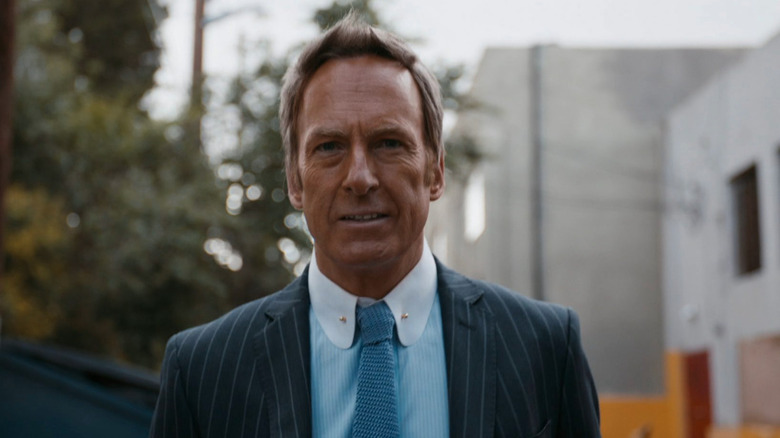
Howard runs the illustrious law firm HHM, though he became a partner at the firm through nepotism. His father, George, talked Howard away from an idealistic career with low pay; he instead drafted his son into a partner-track position at his firm, making Howard the second “H” in HHM. Howard lives in the shadow of his father, knows that there are those who believe he is only successful due to his family’s legacy. Still, many respected attorneys praise Howard as being an excellent lawyer, impressed by the positive relationships he forms with clients. In his youth, Howard’s knack for the law drew the attention of Chuck McGill, his father’s partner. While Chuck views Jimmy as a perpetual disappointment, he sees Howard as highly competent, a man with a bright future. Chuck mentors Howard in a way he would never consider doing with Jimmy. This relationship plants the seeds of resentment and hostility in Jimmy, brewing a one-sided competition between him and Howard.
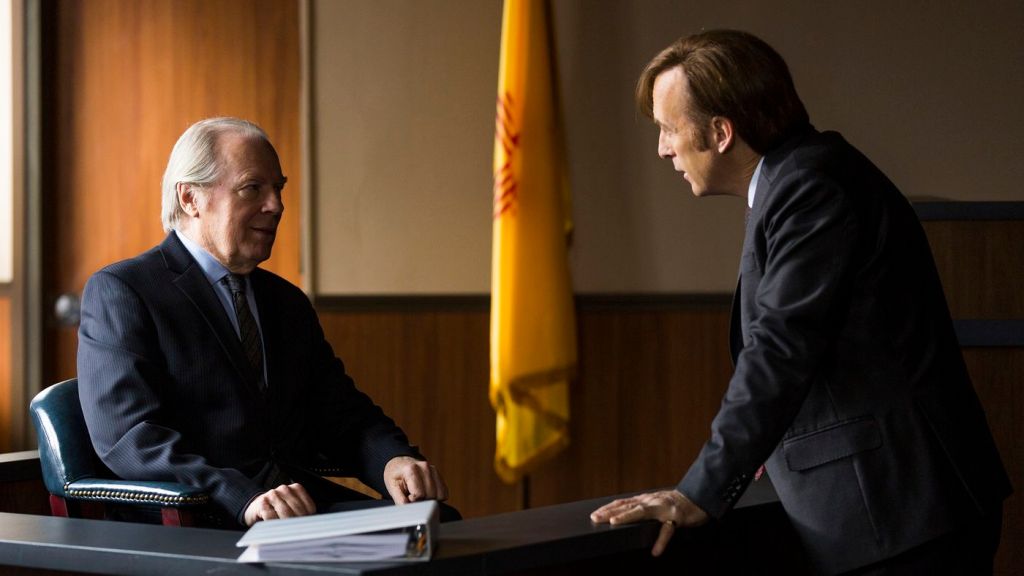
However, much like Walter White, Jimmy’s truest antagonist could be argued to be his closest family member. While Walter dealt with many external threats in his life as a meth-making outlaw, his most frequent opposition came in the form of Skyler, his wife. Skyler questions his criminal misdoings at every turn, unsuccessfully attempting to redirect his time and energy toward their family. As Walter becomes increasingly infamous in the drug underworld, his ego balloons to reveal who he really is beneath the veneer of a high school chemistry teacher.
Jimmy starts off with the opposite dilemma; he’s already served time, conned hundreds of people out of money or possession. Chuck, his brother, has always had to be responsible for Jimmy, even from early childhood. Chuck is more of a father to Jimmy than a brother. Through extended flashback sequences, viewers see Chuck come through for Jimmy time and again, whether defending him as an attorney or protectively staying the night with him after Jimmy has had too many drinks at the bar. Chuck’s perception of Jimmy is forever frozen as the perpetual screw-up he needs to look after, the grifter searching for the next big win. But despite this, Jimmy is trying to reform. He has no interest in making a name for himself amongst criminals. Jimmy spends most of his free time providing for Chuck, completing various tasks his brother is no longer capable of doing due to a mental illness causing him to believe he has developed an allergy to electromagnetism and can no longer leave his home or enjoy the luxury of electricity. Jimmy provides Chuck’s groceries, the newspapers Chuck loves to read but are only available from different, disparate stores littered throughout Albuquerque. However, Chuck waits at every turn to remind Jimmy of who he was, who Chuck thinks he will always be. This suffocating expectation creates a sort of self-fulfilling prophecy; Chuck’s perpetual presumption—that Jimmy will cheat to get his way or only accomplish anything through some elaborate ruse—shackles Jimmy McGill to “Slippin’ Jimmy,” the nickname representative of Jimmy’s scam-soaked past. Jimmy is cursed to fruitlessly try to change his ways time and again, only to slip back into the crooked tendencies his brother associates with him.
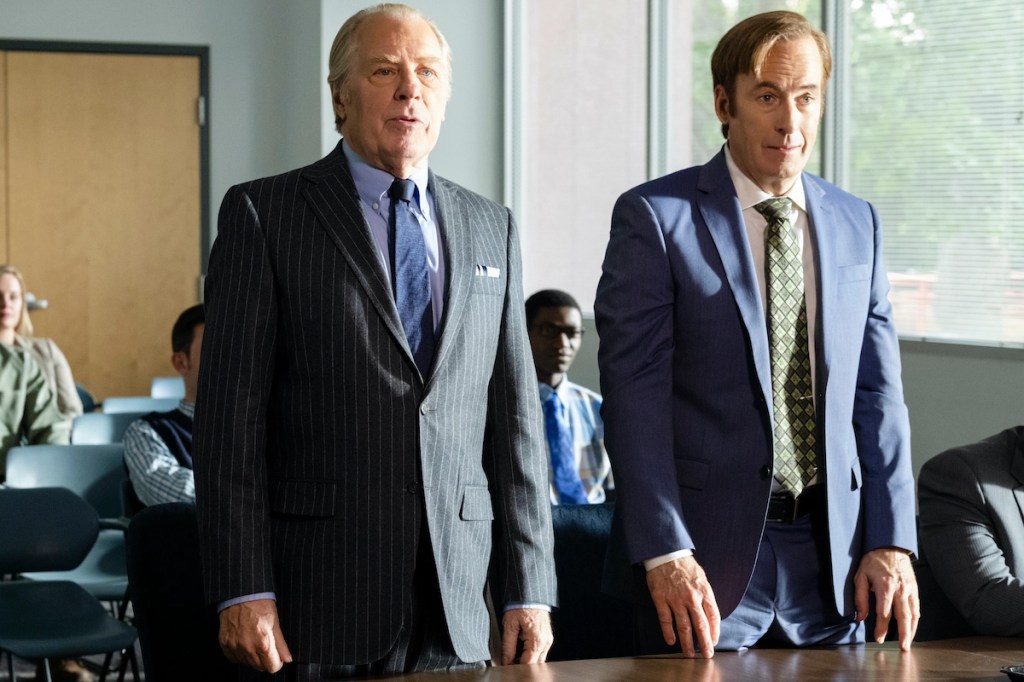
Where Jimmy and Chuck fundamentally differ is their views toward their father, Charles Sr. Charles worked diligently for years managing a convenience store in Cicero, Illinois. Due to his immense generosity, Charles is an easy target for conmen and grifters with sob stories who are looking for a quick buck. As a child, Jimmy notices the way the well-meaning Charles is frequently ripped off. While he respects his father’s work ethic, he vows to never be a “sheep.” He instead idolizes the “wolves” who prey on his father, and, as an adult, he develops a myriad of schemes to scam money out of the unassuming. Chuck, on the other hand, views Charles as an inspiration. He strives to succeed because of his father’s influence, his wide-spread respected reputation as a good man. Due to both of their parents working long hours at the store, Chuck is left with the brunt of raising Jimmy. Many of the fond memories Jimmy has of his parents are actually experiences he had with Chuck, as the older brother occasionally reminds him. But the younger Chuck’s brotherly love is too late to save Jimmy from the corruption of the “wolves;” their impact has already landed. Although their mother, Ruth, is featured less prominently in flashbacks, she has her own share of key moments in the brothers’ shared past. Despite Chuck’s noble burden of responsibility, his efforts to honor his parents, his mother always dotes on Jimmy instead. In one notable scene, as Ruth lies dying in the hospital and Chuck sits at her bedside, she becomes cognizant for a single moment before her death. “Jimmy?” She asks, unable to hear Chuck’s pleas. As she dies, the audience sees resentment plant its stake in Chuck’s heart. When Jimmy returns from the nearby vending machines and asks Chuck if their mother had any final words, Chuck lies and tells him no.
Both protagonists force themselves forward through self-deceit. Walter’s big lie is that his criminal actions are just in the name of earning an absurd amount of money to provide for his family after his likely eventual death from lung cancer. His true motive becomes more apparent to the audience when, after accruing more than enough cash to secure a future for his wife and children, Walter continues to cook meth and commit murder in the name of criminal enterprise. Jimmy ultimately embraces his amorality, utilizing his lack of scruples to achieve most of his key legal victories throughout the series. Jimmy convinces himself the ends justify his means, no matter how dubious those means may be. When working by the book, Jimmy loses; potential clients pass him over for the more luxurious and prolific HHM, and his professional failings damage his personal relationships. With scruples failing him, Jimmy crumples under the weight of Chuck’s recurring disappointed gaze. He embraces “Slippin’ Jimmy,” modifies it to fit his new profession in the law. Jimmy constantly hides his transgressions from Chuck out of fear of proving his elder brother’s judgment correct. An early episode shows Jimmy stage the rescue of a billboard worker to achieve local fame. Due to Chuck’s mental illness, Jimmy is easily able to hide his schemes from him. However, Chuck, propelled by the desire to prove Jimmy’s crookedness, finds the strength to leave his house for the first time in months. He discovers Jimmy’s lies after stealing a local newspaper, a seemingly inconsequential action that enacts a slow-burn chain of events that end in Chuck’s eventual suicide.
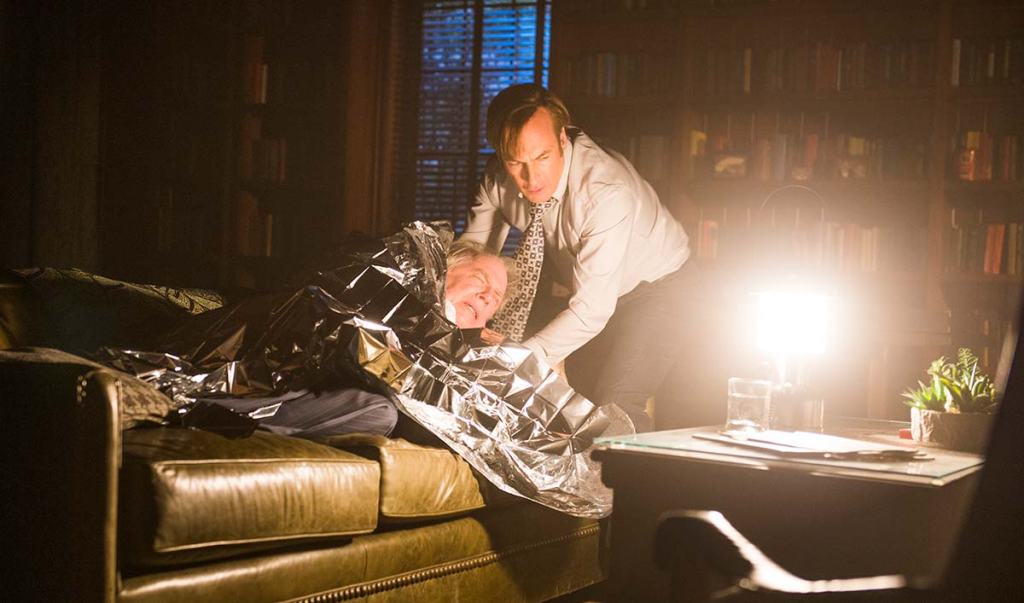
Jimmy’s complexity is most prominently seen in how he remains his brother’s primary caretaker, no matter how many times he and Chuck fall out. Even when—after a particularly nasty fight—Jimmy promises to never help Chuck again, he still camps outside of Chuck’s house, ensures that Howard and HHM are providing for him. Jimmy knows that Chuck is mentally ill. Although Chuck is fully convinced that his allergy to electromagnetism is a real affliction, everyone in his life harbors the belief that he is actually losing his mind. Jimmy shares this belief, but he never expresses it to Chuck. He respects his brother more than anything, and he would never let Chuck know that he doesn’t believe him. Jimmy’s admiration for Chuck is what drives him into a law career, motivates him to work tirelessly to earn the requisite college degrees. He wants to be like Chuck, wants to be seen in the same way Chuck sees someone like Howard.
The emotional conflict between the McGills is brilliantly symbolized in their actual literary conflict. Despite Jimmy hustling without help to pass the New Mexico Bar exam and become an attorney, Chuck is undaunted by his monumental accomplishment. On the surface, he shows the right feelings: awe, enthusiasm, fraternal pride. However, Chuck hides his true, tragically unshakable belief—that Jimmy somehow cheated his way into the law, that Jimmy being a lawyer somehow sullies the honor of the profession itself. Chuck’s pride in being a lawyer is shaken by his brother’s success. If someone like Jimmy, a career scammer who once defecated through a car’s sunroof without knowing children were residing inside, can become a lawyer, then his own accomplishments hold less value. Chuck’s conflict is both existential and philosophical; his identity is the law, and he fundamentally believes that people, especially Jimmy, are not capable of real change.
Kim Wexler is the other person audiences really see Jimmy demonstrate his goodness toward. Jimmy is in love with Kim, and he goes to great (sometimes illegal) lengths to ensure that she is professionally successful. His love for Kim ultimately drives the final nail in his relationship with Chuck. When Chuck wins over Kim’s sole client—the mega bank Mesa Verde—Jimmy steals and alters documents to confuse the mentally unwell Chuck. As a result, Chuck submits faulty paperwork and set back Mesa Verde’s plans for opening a new branch. Due to his illness, Mesa Verde and Howard assume Chuck simply made a mistake, that his mind is beginning to fail. For once, Chuck’s presumption of Jimmy’s hand in the matter is true. Despite Jimmy’s attempts to gaslight Chuck into thinking he just isn’t as sharp as he used to be, Chuck remains steadfast. He ultimately proves Jimmy’s guilt, secretly recording a confession at the end of the second season.
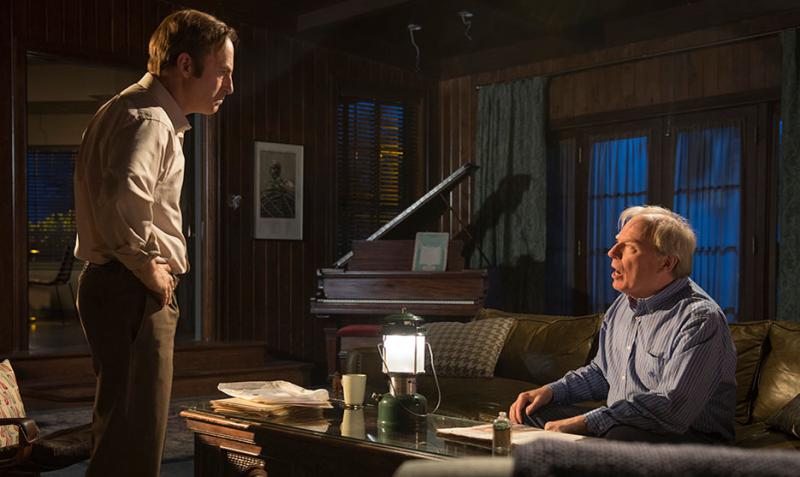
The third season sees the brothers’ final battle as Chuck seeks to have Jimmy disbarred. Chuck’s motivation is thematically resonant: ending Jimmy’s law career will prove the law is just, that Chuck and his professional accomplishments have value. Although Jimmy is actually at fault, he fights tooth and nail to clear his name by any means necessary. When he has no choice but to plead guilty, he changes tactics: Jimmy decides to prove that his motive for confessing to the crime were noble, and that his recorded confession is a lie to appease his mentally ill brother. Jimmy is faced with a moral dilemma. On one hand, he could come clean and admit to his wrongdoing, effectively cutting his law career short and proving his brother’s opinion of him righteous. However, viewers already know what Jimmy will do. In a heated cross-examination, Jimmy ultimately puts Chuck’s mental illness on display for a courtroom full of his closest friends and family. Jimmy is let off with a slap on the wrist—a one year suspension from practicing law. Meanwhile, Chuck is left catatonic. He must finally face that his brain— the one thing he values most in the world—is compromised.
Still, Chuck slowly takes steps toward recovery. He willingly begins seeing a doctor, taking longer and longer trips outdoors. Chuck still has the law, and, though he and Jimmy will never be close again, his reputation remains mostly intact. However, Jimmy finds himself suffering more than he thought he would. Struggling to find gainful employment, Jimmy faces a monetary drought. Still unwilling to truly accept blame for his role in Chuck’s fall from grace, Jimmy seeks retaliation. He lets slip to a malpractice insurance agent that Chuck is mentally ill, embellishing his brother’s mental state to make it seem as if he is constantly making legal mistakes and putting HHM at higher risk for malpractice lawsuits. Due to the financial toll this causes, Howard forces Chuck into an early retirement, effectively robbing him of his final reason to live. Before his mind completely unravels and he takes his own life, Chuck has one final encounter with Jimmy in which he sees completely calm and rational. As a regretful Jimmy makes one last attempt at repairing their destroyed relationship, Chuck severs their ties forever. “You don’t have to make up with me. We don’t have to understand each other,” Chuck says matter-of-factly, “the truth is, you’ve never mattered all that much to me.” This ultimate goodbye shatters Jimmy. Brokenhearted, he leaves his brother’s house. Days later, Chuck kills himself by burning his own house down.
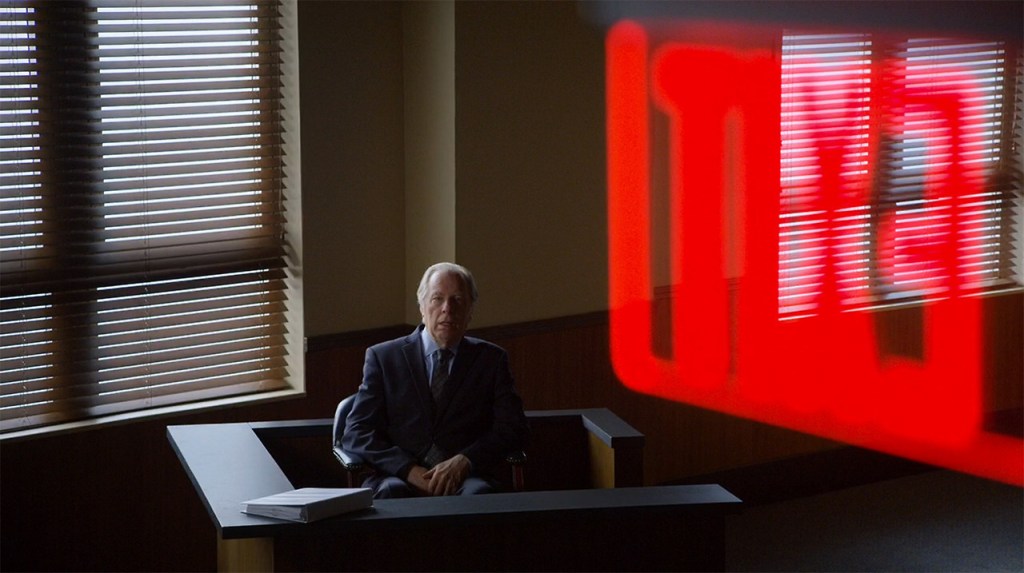
Much like Mike Ehrmantraut’s inability to accept and process his son’s death, Jimmy is unable to properly grieve for Chuck. The rest of the series depicts Jimmy’s downfall at the hands of his repressed grief, bridges the gap between a difficult but loving brother and the criminal attorney later seen in Breaking Bad. Due to the cataclysmic terms their relationship ended on, Jimmy acts remains unmoved by his loss. In a realistic depiction of true grief, Jimmy refuses sadness. He instead turns to anger, committing fully to the scheming “wolf” persona. While working at a cell phone store, Jimmy cons shady customers into purchasing phones they don’t need, promising that the temporary phones he pawns off are untraceable. He develops a wide range of clientele, almost all of them accompanied by criminal activity. Where Chuck lived honorably, Jimmy wants no attachment. When committing illicit acts, Jimmy takes on the moniker Saul Goodman, symbolically shedding the name McGill—his only remaining tie to Chuck. After a moving speech about Chuck’s impact on his life, Jimmy is once again granted permission to practice the law. However, he claims to Kim that he feels nothing for Chuck, and the speech was only an act for personal gain. To solidify this notion, he changes his professional name to Saul Goodman, throwing away Chuck’s good influence and embracing who Chuck believed him to be. He brings on his criminal acquaintances from his illicit cell phone operation as clients, works to defend people he knows should justly be placed in jail. Everything Jimmy does as Saul Goodman is in an effort to spite Chuck, to be successful as the “Slippin’ Jimmy” his brother hated in order to make a mockery of Chuck’s values, the cause he took his own life over.
Another recurring theme in Better Call Saul is how one’s inability to cope with negative feelings like grief can result in harm to others. Jimmy refuses to look inward, to work on the personal issues that led to the schism between him and Chuck. He instead seeks an outside source to project his pain onto: Howard Hamlin, Chuck’s partner and eternal student. Throughout the first half of the series, Jimmy takes petty shots at Howard: he rips off the HHM logo for his own practice, buys similar suits, and even lightens his hair to be a similar shade of blonde. However, after Chuck’s death, Jimmy grows more malicious. In the immediate aftermath of Chuck’s death, Howard is the one who informs Jimmy that Chuck’s death is being ruled a suicide. Howard blames himself for Chuck’s decision, and, unwilling to admit to his role in destroying Chuck’s insurance rates, Jimmy allows him to take the blame. Jimmy even shows Howard grace, tries to alleviate the burden Chuck’s suicide has left on his law rival.
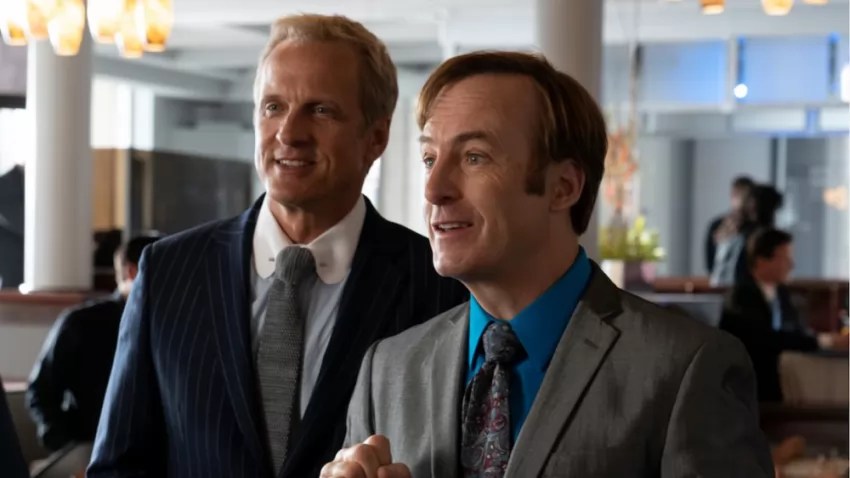
However, everything changes for Jimmy when Howard invites him to an upscale lunch. Over a year after Chuck’s death, Howard is smiling again. He is seeing a therapist, and he has successfully navigated the grieving process and adopted a healthy mindset toward his perceived role in Chuck’s demise. Howard’s emotional growth is comedically symbolized in his vanity license plate that reads “NAMAST3.” At lunch, Howard offers Jimmy more than a truce: he invites Jimmy to work at HHM, a long-held dream of Jimmy’s that Chuck snuffed out years before. Instead of accepting Howard’s offer, Jimmy turns on him. He coordinates acts of vandalism, smashes his prized Jaguar with bowling balls. This act is symbolic in itself; if the Jaguar’s novelty license plate represents Howard’s ability to move on, Jimmy’s destructive maliciousness represents his inability to, his desire to bring Howard back down to his level. Jimmy pays two prostitutes—a couple of his recurring law clients—to ambush Howard at a business lunch and pretend as if he is a frequent customer. To Jimmy, Howard represents Chuck’s true legacy; he is the man Chuck trained to one day succeed him, the lawyer Chuck saw great potential in over Jimmy. Jimmy hopes to make Howard feel as low as he does, to bring him crashing down from his pedestal. Throughout the series, Howard tried to support Jimmy in his own way. The central antagonism between the two is the result of Chuck’s refusal to accept Jimmy as a lawyer; any time Jimmy tried to plant himself into a job at HHM, Chuck used Howard as a proxy mouthpiece to reject Jimmy. Chuck tried to protect his brother from his true belief: that Jimmy brings chaos and dismay anywhere he goes, and hiring him on at HHM would be the final nail in the coffin. Despite this, Howard always offers Jimmy words of support, frequently asks others how Jimmy is doing. In response, Jimmy always bristles, assumes Howard has less-than-altruistic intentions.
But after years of this, Howard holds the moral high ground. When he runs into Jimmy at the courthouse after weeks of the latter’s vengeful torment, Howard earnestly says, “I’m sorry you’re in pain.” Jimmy emotionally collapses under the weight of what he’s done, truly experiencing the horror of Chuck’s loss for what may be the first time. Instead of commiserating with Howard, he explodes. He throws a public tantrum, ranting and swearing at Howard. As Howard fails to deescalate the encounter, Jimmy follows him to the exit, spouting passionate gibberish in an attempt to show how small Howard is to him, a contorted version of his last conversation with Chuck: “I travel in worlds you can’t even imagine! You can’t conceive of what I’m capable of! I’m so far beyond you! I’m like a god in human clothing! Lighting bolts shoot from my fingertips!”
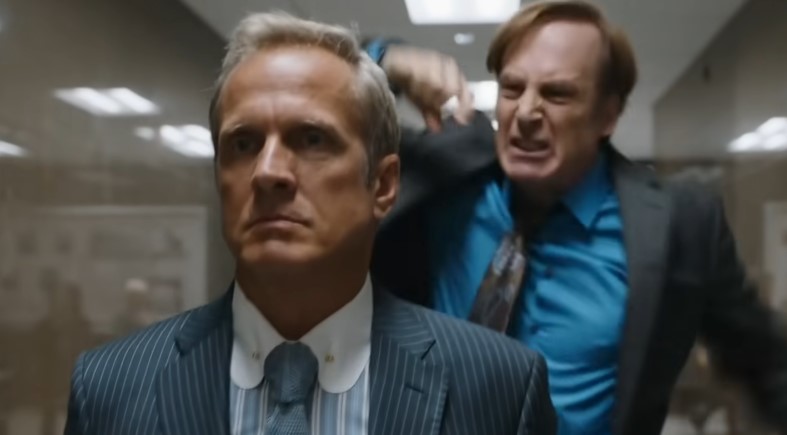
Howard’s confrontation fails to end their conflict. The final season of Better Call Saul features Jimmy enlisting the help of Kim, who has baggage with Howard of her own, in an effort to destroy his professional image. The couple plot to make Howard’s colleagues believe he has an insatiable cocaine addiction, going as far as to plant drugs in his locker and stage embarrassing public encounters. Jimmy and Kim both have different moments where they worry their ploy is spiraling out of control, that maybe Howard doesn’t deserve their malicious meddling. However, they follow through until the end, causing Howard to blow a major legal dispute that recurs throughout the duration of the series. Meanwhile, Jimmy has an ongoing fear of Lalo Salamanca, who essentially forces Jimmy to defend him in court. After Lalo interrogates both Jimmy and Kim at gunpoint in their home toward the end of the fifth season, the couple live in fear of the drug lord’s return—despite hearing news that he has been seemingly assassinated at his safehouse in Mexico. Over time, the two begin to breathe easier, to stop worrying that Lalo will return from the dead.
In one final act of surrender, Howard visits Jimmy and Kim at their apartment late at night. He brings a bottle of aged Macallan scotch as a parting gift and reluctant peace offering; this whiskey is symbolically resonant, as Howard and Chuck used to crack open a bottle in celebration of winning a major case. Now the one younger “brother” of Chuck offers a bottle to the other, but Jimmy notably refuses to take it. As Howard tries to force an explanation of the harassment out of Jimmy and Kim, he also tries to convince them to drink with him, to partake in Chuck’s favorite drink. When both refuse to either answer or join him, Howard strikes at the heart of the conflict: “You’re perfect for each other. You have a piece missing.” Moments later, Jimmy’s criminal ties and personal life finally reach their long-awaited point of collision: Lalo enters the apartment, and Jimmy sees his worst fears realized. As Howard senses the danger and attempts to leave, Lalo executes him mid-sentence with a point-blank pistol shot to the head.
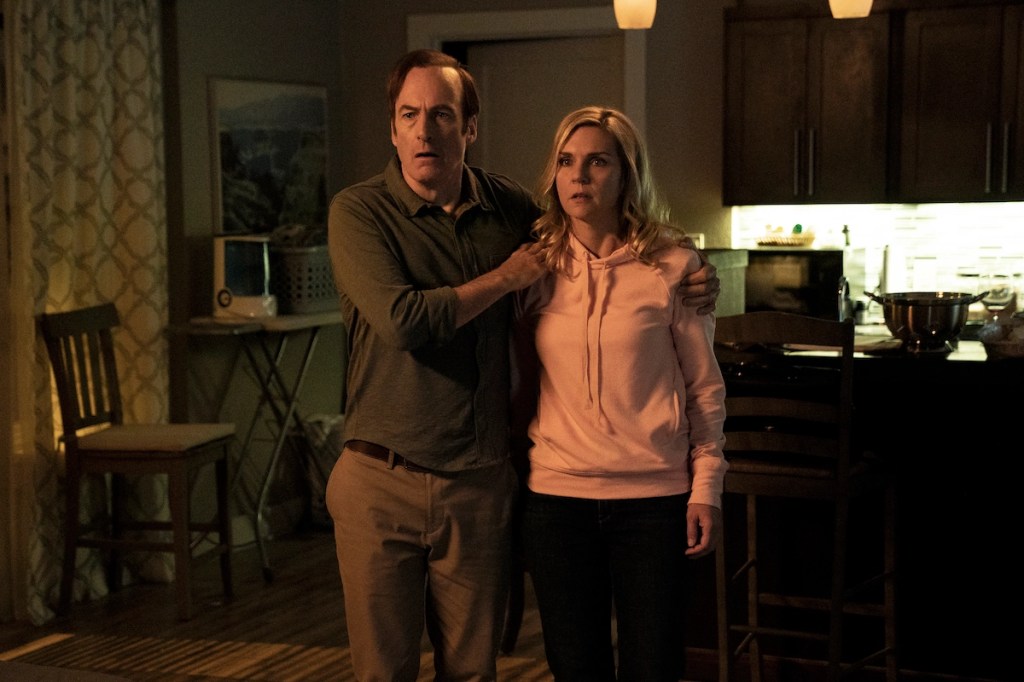
Similar to the effect Hank’s execution has on Walter White in Breaking Bad, Howard’s death is the point of no return for Jimmy. He realizes how far gone he is, how his crusade against the innocent Howard led directly to Howard’s death. Jimmy’s inability to accept Chuck’s loss, his repression of his own role in the circumstances that led to Chuck’s suicide, resulted in misdirected hatred toward Howard and Jimmy’s subsequent campaign to ruin him. Kim, who in a twisted way represents Jimmy’s last hope for a moral life, quits her law career and leaves both Jimmy and Albuquerque forever.
As the series fast forward to Jimmy’s life post-Breaking Bad, audiences see a Jimmy who still reels from Howard’s loss, still lives in fear of Lalo despite being told he is dead. The final arc shows how little Jimmy has changed, how his failure to accept Chuck as a mostly well-meaning but flawed father figure still haunts him. Jimmy now has a new third identity to escape from police scrutiny: Gene Takavic, an unassuming Cinnabon manager in Omaha, Nebraska. Unable to live a quiet life, Jimmy ultimately succumbs to his old conman habits. However, he does so utilizing the name “Saul Goodman,” once again clashing against the legacy-laden “McGill.” Jimmy is eventually arrested for his laundry list of crimes committed in both Better Call Saul and Breaking Bad, but he manages to convince the opposing counsel to offer him a relatively simple prison sentence of seven-and-a-half years.
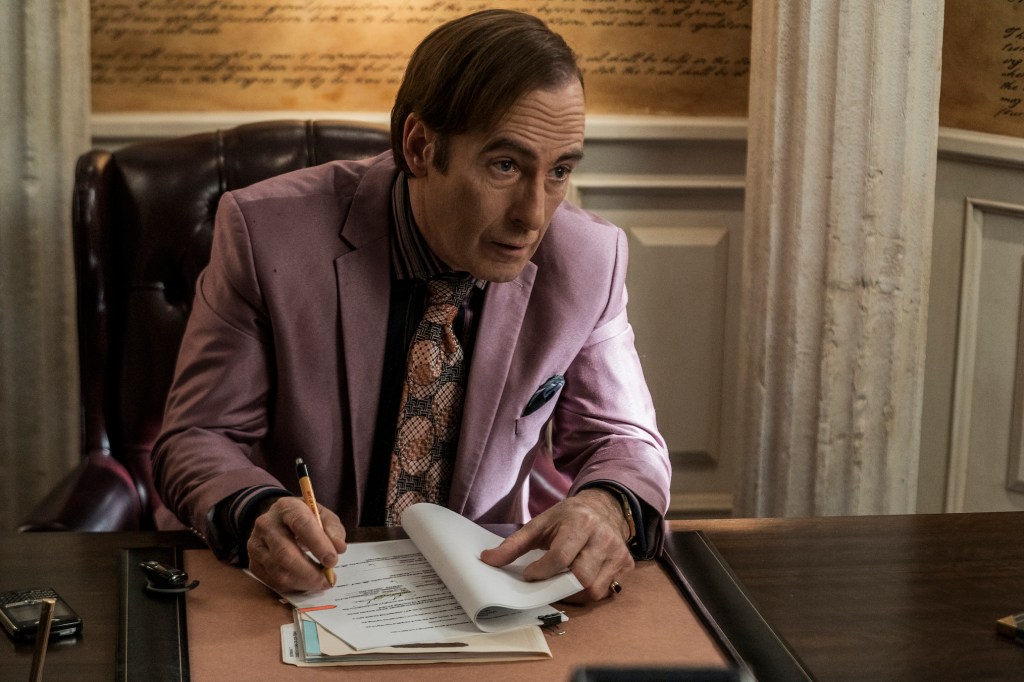
When he hears that Kim, who has also struggled under the immense guilt of Howard’s murder, has openly confessed to being an accessory to the crime, Jimmy reaches one grand final dilemma that parallels his decision to publicly embarrass Chuck three seasons earlier. He can either take the fall for everything and confess to his multitude of criminal acts, or he can let Kim duke it out with lawyers for the rest of her life. Choosing the latter would be the easy choice; Jimmy would once again squirm his way out of taking responsibility for his actions, coast through his cushy prison sentence, and then likely return to his old ways upon release. For the first time in his life, however, Jimmy takes the honorable route. He executes one of his most elaborate schemes yet, orchestrating Kim’s attendance at the very trial that will give him a seven year wrist slap and then send him back into the world. With the world watching this Albuquerque courtroom, Jimmy confesses to everything: his ruination of Chuck, his hand in Howard’s murder, his partnership with the now-infamous Walter White. The judge, overwhelmed by the chaos of Jimmy’s confession, says, “Mr. Goodman, sit down and stay seated.” With poetic finality, Jimmy responds, “The name’s McGill.” By adopting his true name, Jimmy symbolically accepts Chuck’s good influence and forgives him for his pessimistic judgment. Jimmy’s moral turn ironically comes with arguably negative consequences: now sentenced to a whopping eighty-six years in prison, Jimmy heroically shuffles off to the rest of his life.
However, a story as intricately complex as Jimmy McGill’s would be remiss to end with a simple complete shift in morality. On the bus ride to his new home, Jimmy is recognized by the other prisoners, who begin to eagerly chant his television commercial catchphrase: “Better Call Saul.” As audiences get one last glimpse into Jimmy’s prison life, he is treated almost like a celebrity, a humorous reward for his years of criminal defense. Inmates slap him on the shoulder and smile as they call him “Saul.” This last sequence showcases Jimmy not abandoning his grifter nature completely, but instead finding equilibrium: he finds the perfect balance between the good-hearted Jimmy McGill and the shifty Saul Goodman and, in the process, attains some semblance of inner-peace.
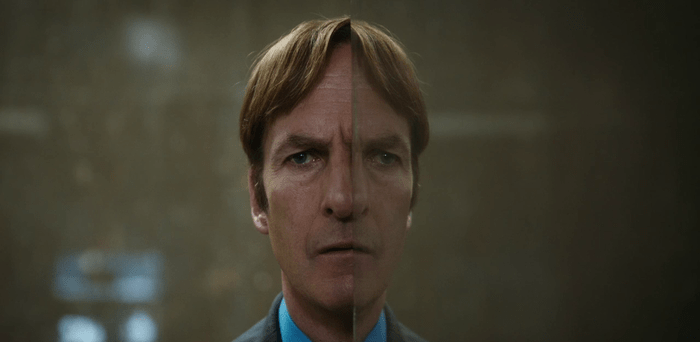
Better Call Saul is a monumental achievement in storytelling. Gilligan’s tale of a flawed man’s slow descent into lawlessness is presented outstandingly on almost every level. The direction and cinematography in most episodes, especially those helmed by Peter Gould, Gilligan’s frequent collaborator. Many camera shots frame Jimmy with his face either mirrored or split in two, showcasing his moral duality, the tumultuous identity tightrope he walks along throughout the series. The accomplished acting on every front helps to sell Gilligan’s vision, to bring to life the tormented denizens of the AMC drama. However, the single strongest aspect of Better Call Saul is its writing. The overarching plot is a slow boil that entraps the audience alongside its characters; when Jimmy realizes he is in too deep with the cartel, the viewer is just as surprised at the revelation of how trapped he is within his own disastrous life. While he is an expert at creating wide-reaching character-driven plot lines, Gilligan is just as effective at crafting perfect individual scenes, each line of dialogue dripping with emotional resonance. One of his best is the final flashback scene of the series, shared between Jimmy and Chuck weeks before the events of the show.
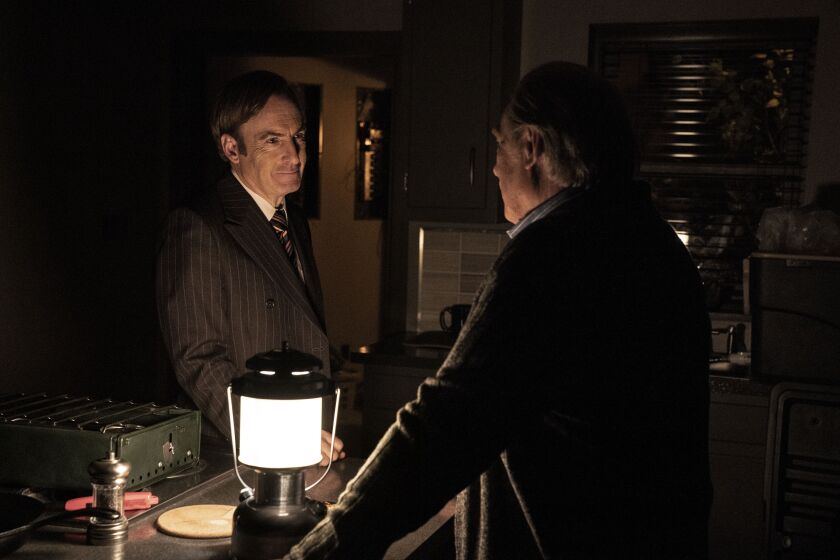
Soon after Chuck begins his hermitude, Jimmy stops by his apartment with groceries, newspapers, and ice. Chuck has stopped using his refrigerator due to its reliance on electricity, and he instead cools his food with a large ice chest that needs to be constantly refilled. Although this encounter takes place before the brutal legal battle that irrevocably fractures their relationship, Jimmy and Chuck have still clashed time and again. Jimmy is regularly wounded by Chuck’s insinuations about his morality, and, though he regularly tries to be supportive, Chuck can’t shake his lack of faith in Jimmy. Jimmy is struggling to establish his own law firm, taking on unsavory clients to make ends meet. As he tries to leave, Chuck stops him.
“You could stay for a while,” Chuck says, offering an olive branch. “We could talk.”
“Maybe you just want to tell me what I’m doing wrong,” Jimmy accuses.
Chuck is taken aback, hurt by the truth of what his brother says.”That’s not what I had in mind.” In a moment of silence, it seems as if the brothers may for once have a pleasant conversation. Jimmy isn’t exactly an open book—but he hasn’t left the house, and that’s something. As Jimmy fumbles with the bags of ice, Chuck can’t help himself. “I’m hoping you didn’t steal that from a motel ice machine.”
And this is how it ends, time and time again. Jimmy freezes, unable to ignore his brother’s accusatory tone, the ease of which he thinks the worst of him. Almost like breathing. “You can hope,” he says. “I’m going to pass on the heart-to-heart, Chuck.”
Chuck notices how crestfallen his brother is, mistakenly attributes it to his unfulfilling legal work. “Jimmy,” he says, offering his best fatherly advice, “if you don’t like where you’re heading, there’s no shame in going back and changing your path.” This line of dialogue brilliantly showcases Chuck’s duality: his desire to see Jimmy happy, and his wish for Jimmy to leave the law.
“When have you ever changed your path?” Jimmy fires back, highlighting the fundamental tragedy between him and Chuck. Chuck has lived on a steadfast track, powering through law school and collecting an assortment of accomplishments throughout his storied career. He did all of this while looking out for Jimmy. To his brother, Chuck is the most admirable person in the world; to Chuck, Jimmy will always be a failure. Their tragic inability to understand each other is the core of every conflict they’ve ever had, every fight that is yet to be.
Chuck recognizes this and laments. “We always end up having the same conversation, don’t we?” As Jimmy leaves disheartened, the scene ends with the hiss of Chuck activating his oil-powered lantern. He fades into the blackness of his house and Jimmy’s memory.
 Red Comet Reviews